

Therapy for Endometriosis & Adenomyosis from a Clinical Psychologist
In all likelihood you’ve had pain for years before you got a diagnosis of endometriosis and/or adenomyosis. Even then, it’s difficult for others to truly understand and you may still be coping with a whole range of complex challenges.
You’ve probably spent a long time adjusting, minimising symptoms, putting up with pain because you had to push through, and losing trust in yourself and your body.
There can be grief about what has been lost or the future you imagined, and difficulties with managing day to day fatigue or physical symptoms. These conditions impact not only your entire body but also your relationships, sense of self, and overall wellbeing.
I have a deep personal and professional understanding of the impact on all areas of life, and I’m passionate about providing excellent support to anyone dealing with endometriosis/adenomyosis or those who are having other gynaecological challenges with or without a diagnosis.
Whether you’re coming to terms with the diagnosis, working through various treatment options and feeling dismissed or struck, or coping with traumatic memories associated with your condition, there is support available for you.
Let’s work through the impacts together, and find ways to make life more manageable and meaningful again.
Common Challenges
Alongside physical symptoms, people with endometriosis/adenomyosis often report challenges with:
Self esteem and confidence
Anxiety about pain and symptom flare ups
Difficulties with fatigue and managing energy
Low mood and hopelessness
Feeling invalidated and dealing with medical trauma
Body image changes and loss of trust in their body
Relationship and intimacy concerns
The emotional impact of infertility or difficulty with conceiving a child, or pregnancy losses.
Grief for the life they used to live
Loss of self identity and changes in roles
Social isolation
My Personal and Professional Experience
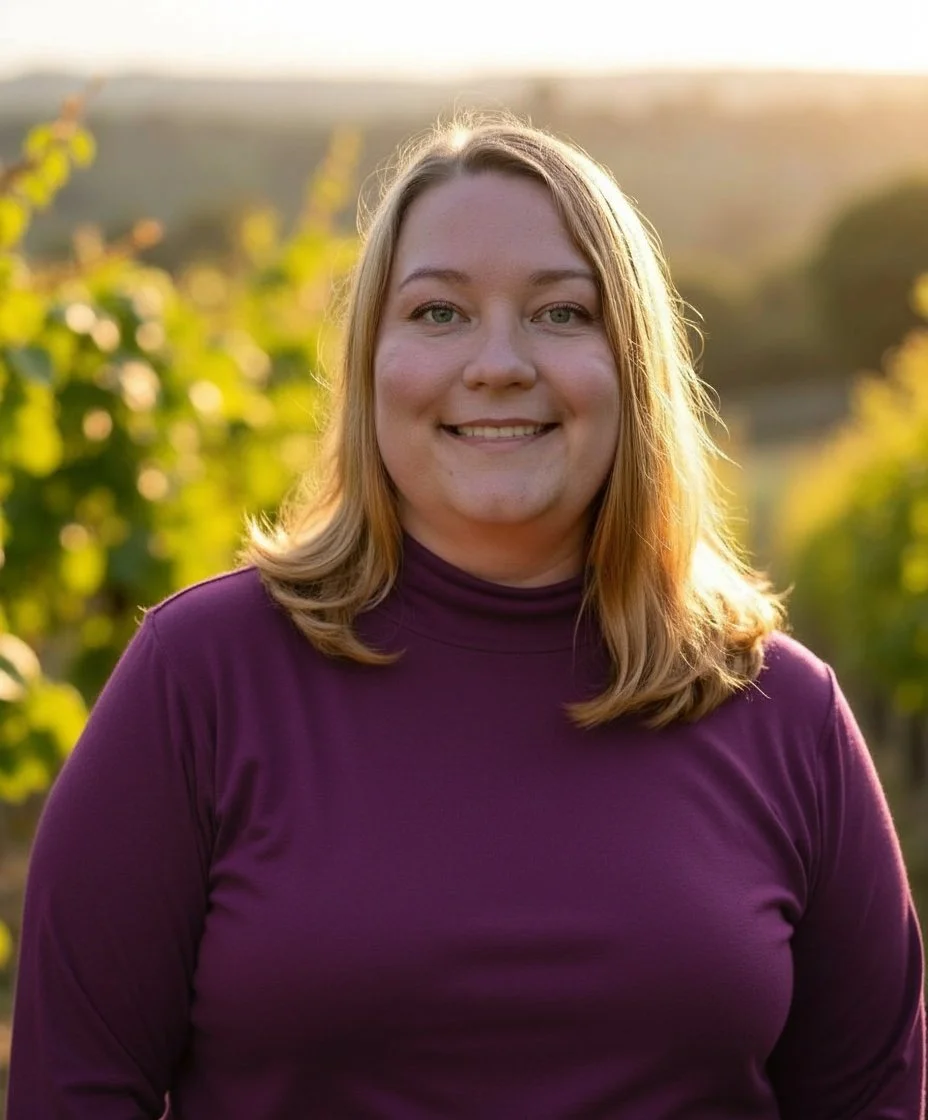
I was given a diagnosis of endometriosis in my early twenties, not unlike many people having waited many years for an answer to excruciating pelvic pain during my cycle which led to me being hospitalised in my teens. After years of being told “that’s just your period, get on with it”, I finally had an answer. What I found however was that this was far from the end of coming to terms with my symptoms, the diagnosis, and managing ongoing challenges. Not to mention the imposter syndrome or challenges with actually taking time off sick or cancelling plans…
Before becoming a Psychologist I chose to volunteer with Endometriosis UK as a Support Group leader and advocate for people with an endometriosis diagnosis in my local area for a number of years, which gave me great knowledge and experience about different challenges both people with a diagnosis as well as their partners and family members face when it comes to endo/adeno. It also let me into the rooms with consultants and other specialists to have interesting discussions, as well as the fantastic training provided by Endometriosis UK. I also volunteered with the NHS to facilitate a self-management programme for people with chronic health conditions including endometriosis/adenomyosis, which helped me to think through many practical elements of managing chronic health conditions.
I chose to complete a Masters in Health and Medical Psychology before becoming a Clinical Psychologist, and regularly integrate aspects of Health Psychology into my work. I have since worked for a number of years supporting people with both acute and chronic health conditions, those facing end of life, those navigating grief and bereavement, and caregivers and family members of people with health challenges.